

Description
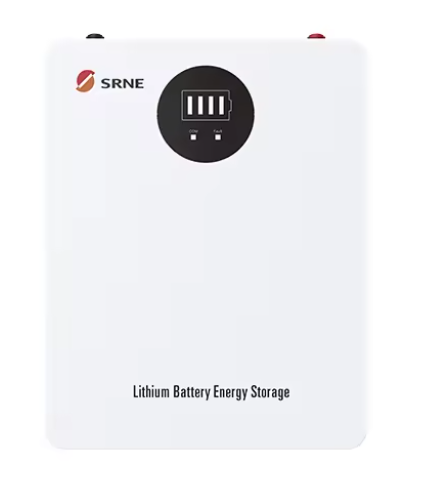
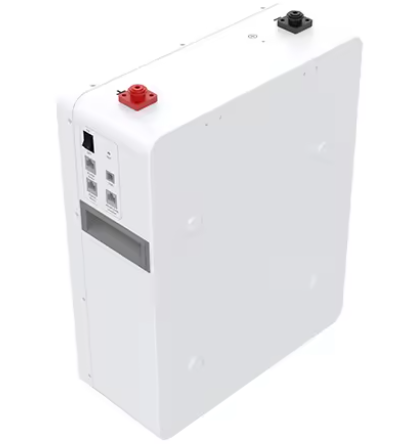
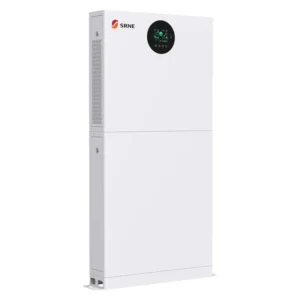
SRNE 25.6V 100Ah Wall-Mount LiFePO4 Battery
The SRNE 25.6V 100Ah is a high-density, wall-mounted energy storage module delivering 2.56kWh of reliable power. Specifically engineered for 24V solar systems, this premium Lithium Iron Phosphate (LiFePO4) unit offers a sleek, space-saving design with a 10-year design life, outperforming traditional lead-acid batteries in both efficiency and safety.
Technical Power Ratings
| Component | Specification | Details |
| Model | EOC05B-UL | Wall-Mount Battery Module |
| Nominal Voltage | 25.6V | Optimized for 24V Systems |
| Nominal Capacity | 100Ah | 2,560Wh (2.56kWh) Total Energy |
| Max. Continuous Charge | 100A | Fast Recharge Capability |
| Max. Continuous Discharge | 100A | Supports up to 2.5kW Loads |
| Peak Discharge Current | 200A (3s) | Handles High Startup Surges |
| Cycle Life | >6,000 Cycles | @ 80% DOD |
What It Can Run (Estimated)
This 2.56kWh unit is ideal for medium-sized 24V DC systems or AC backup:
-
Home Office: (2 Laptops, Wi-Fi, 2 Monitors) – Up to 15 Hours
-
Essential Backup: (Fridge, LED Lights, Smart TV) – Up to 6 Hours
-
Water Systems: (Small 24V DC Pressure Pump) – High Efficiency
-
Security: (CCTV, Gate Motor, Alarm) – Up to 48 Hours
Product Highlights
-
Wall-Mounted Efficiency: Integrated brackets allow for clean, elevated installation to maximize floor space.
-
Deep Discharge Power: Safely utilize nearly 100% of the energy without the capacity degradation seen in AGM batteries.
-
Intelligent Protection: Built-in Smart BMS monitors cell voltage and temperature to prevent overcharging and short circuits.
-
Superior Longevity: Rated for over 6,000 cycles, providing a decade of maintenance-free service.
Safety & Installation Tips for SRNE Wall-Mounted LiFePO4 Batteries
To ensure the longest possible lifespan and maximum safety for your SRNE 25.6V 100Ah battery, please follow these professional installation and maintenance guidelines.
1. Professional Installation
-
Wall Integrity: Ensure the wall can support the battery’s weight (approx. 30kg). Use high-quality expansion bolts and the provided mounting brackets.
-
Orientation: Always mount the battery upright as per the manufacturer’s design to ensure proper internal heat dissipation and BMS performance.
-
Clearance: Maintain at least 10cm (4 inches) of clear space on all sides of the unit to allow for natural air convection and cooling.
2. Electrical Safety
-
Inverter Compatibility: Only connect to inverters with a 24V/25.6V nominal input. Ensure the inverter’s charging profile is set specifically to LiFePO4 (Lithium Iron Phosphate).
-
Cable Sizing: Use appropriately gauged, high-quality copper cables (typically 25mm² or larger depending on distance) to prevent overheating and voltage drop.
-
Tight Connections: Periodically check that terminal bolts are tight. Loose connections create high resistance, which can lead to heat buildup and damage.
-
Grounding: Ensure the battery case is properly grounded according to local electrical regulations to prevent static or surge hazards.
3. Charging & Environment
-
Temperature Control: Install in a cool, dry, and well-ventilated indoor area. Avoid direct sunlight or placement near heat sources. The optimal operating range is 15°C to 30°C.
-
Cold Weather Caution: Never charge the battery if the ambient temperature is below 0°C, as this can cause permanent internal damage (plating).
-
Depth of Discharge (DOD): While the battery can handle 100% discharge, setting your inverter to cut off at 10–20% (remaining capacity) will significantly extend the total number of cycles.
4. Long-Term Storage
-
Storage Charge: If the battery will not be used for more than a month, charge it to approximately 50–70% before turning it off.
-
Maintenance Check: For batteries in storage, check the voltage every 3 to 6 months and give it a “refresh” charge if it drops below the recommended storage level.
5. Critical Precautions
-
No Disassembly: Do not attempt to open the battery casing. This will void the warranty and risk exposure to high-voltage components.
-
Visual Inspection: Conduct a monthly visual check for any signs of casing swelling, terminal corrosion, or loose wiring.
-
Fire Safety: In the extremely unlikely event of a fire, use only Class D (Metal Fire) or CO2 extinguishers. Never use water on an electrical lithium fire.
-
Reviews
There are no reviews yet.